Huai'an's labor songs, Suqian's opera rhythms and Yangzhou's artisan skills — three cities winding along the Grand Canal reveal Jiangsu's most vibrant canal heritage. In just three days, you can touch a thousand years of transport history through craft and sound.
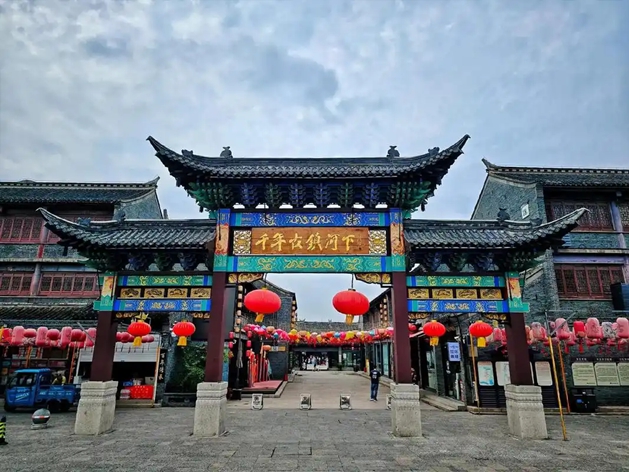
Huai'an: Fragrant Snacks in the thousand-year-old town
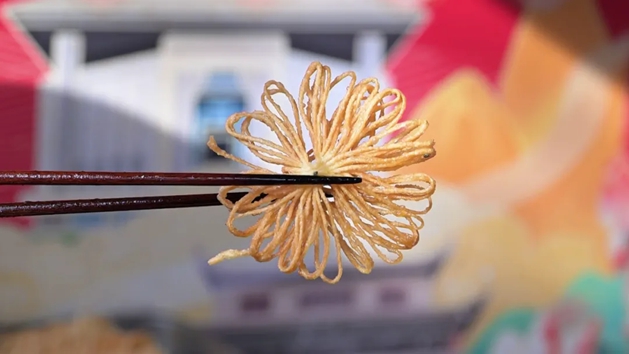
Just around the corner, you will be entering Huzui Street of Hexia Ancient Town, where the sizzling sound of Yue’s Chasan (crispy fried tea snacks) fills the air. Yue Yunfei, the sixth-generation inheritor of this local food, twirls the dough into chrysanthemum shapes before frying them in a blend of rapeseed and sesame oil. When frying, this golden chasan will release a crisp and mouth-watering fragrance. It used to be durable provisions of canal boatmen, and now it’s been adapted with various flavors, such as seaweed, spicy sesame, etc.
Suqian: Dumplings and Opera at the Temple Fair
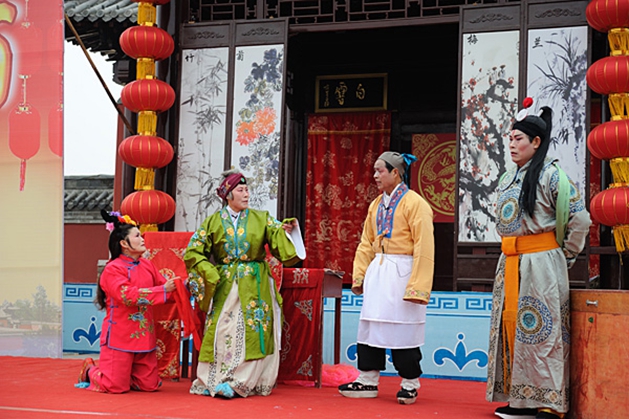
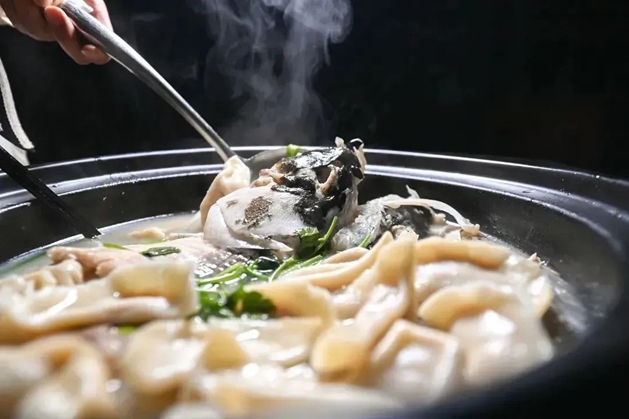
The morning bell of Zaohe Old Town awakens the Dragon King Temple Palace. In front of the “Heqing” and “Haiyan” archways, performers of Liuqin Opera sing newly composed canal stories. The melodic Soul Pulling Toneflows past the eaves of the imperial stele pavilion, merging with the hawking voice in the temple fair. Around the corner, at Jiuzhou Yufu restaurant, the chef Mr. Kong Xiangya carefully debones wild canal fish heads for a rich soup, wrapping the meat in snow-white dumpling skins. This dish “Canal Fish Head Dumplings”, rated as municipal-level intangible heritage, carries the livelihood wisdom of canal families. In the afternoon, you can board a reed-woven boat into the Hongze Lake wetlands. There, old craftsmen are teaching visitors how to weave reed baskets by hand. While oars stir the reflections of evening light on the water, you will hear the distant cries of Chinese bulbuls and orioles.
Yangzhou: Artisan Skills and Sauce Aroma
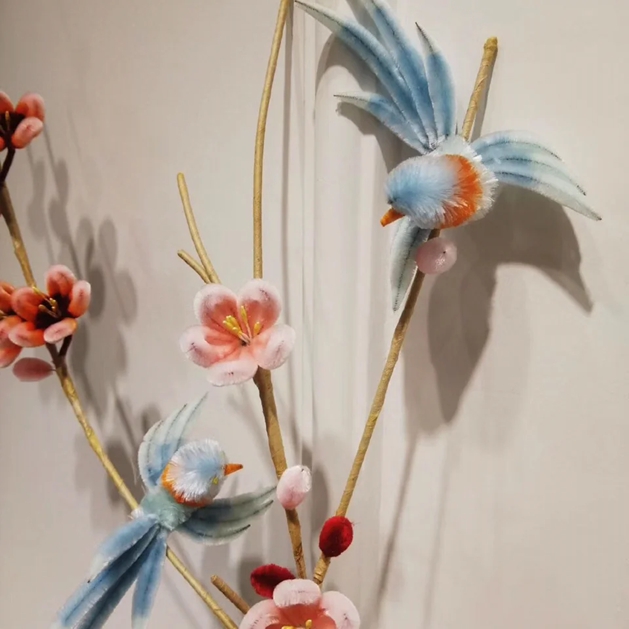
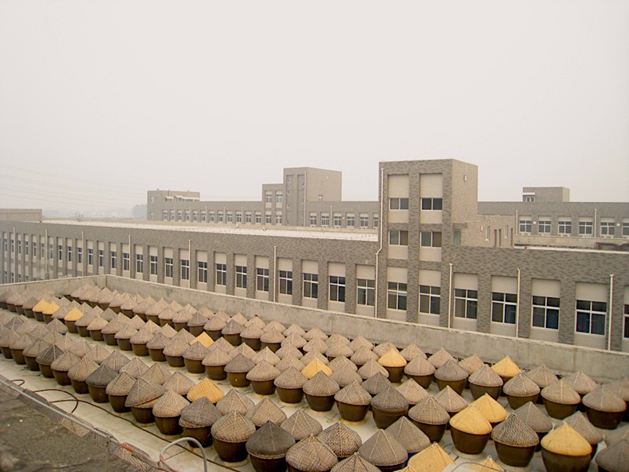
On Dongguan Street, the bluestone roads glisten with morning dew. In the velvet flower intangible heritage workshop, warm lamps glow. Young artisan Zheng Shanshan, born in the 1990s, twists copper wire with silk threads to form petals that fade in delicate pink. This Tang-dynasty technique has been adapted and used in making modern Chinese-style hairpins, now sought-after cultural creations among young people. Next door, at a tongcao (medicinal herb) flower stall, Zhu Xin shapes peonies with tongcao paste, each piece lifelike. Bookmarks crafted through over thirty steps catch the morning light with a soft glow. In the afternoon, you can stroll to Sanhe Simei Sauce Gardens, where radish pickles in the fermentation jars absorb sunlight by day and dew by night. When the inheritors lift the wooden lids, a savory aroma fills the century-old drying yard — this raddish was once a “must-have pickle” that canal merchants sold across the north and the south.
From the crispy fried tea snacks in Huai'an to Suqian's operatic tunes, and the delicate artistry of Yangzhou, the Grand Canal's intangible heritage is more than a static exhibit. It flows through the hands of artisans, reborn amid daily life. This journey captures the Grand Canal's most vivid cultural DNA.