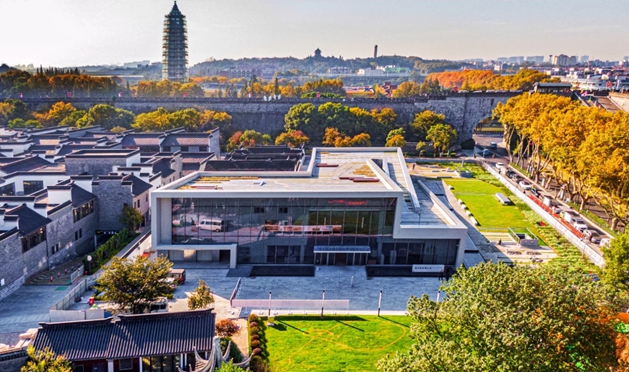
Winding through the city’s stunning landscape of mountains, waters, and urban vitality, Nanjing’s City Wall stretches like a majestic dragon across the terrain. In 2024, China’s National Cultural Heritage Administration included the Ming and Qing Dynasty City Walls of China—with Nanjing’s wall as a representative—on the UNESCO World Heritage Tentative List for the third time.
Boasting over 650 years of history, Nanjing’s Ming-era City Wall is more than an ancient defense structure. It has evolved into a powerful symbol of how culture drives economic and social development, merging tradition with innovation in remarkable ways.
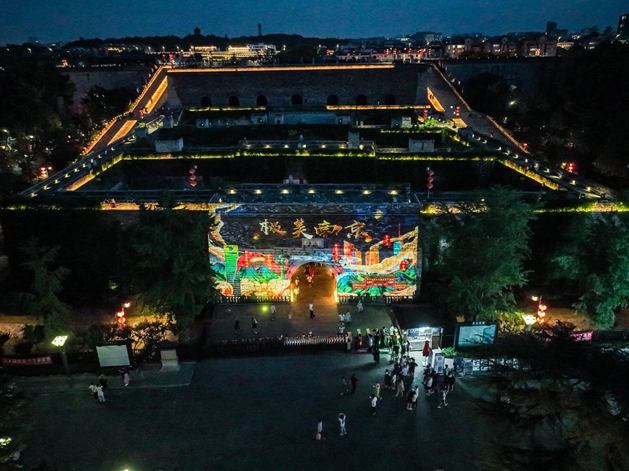
The Wall at Night: A Dazzling Experience
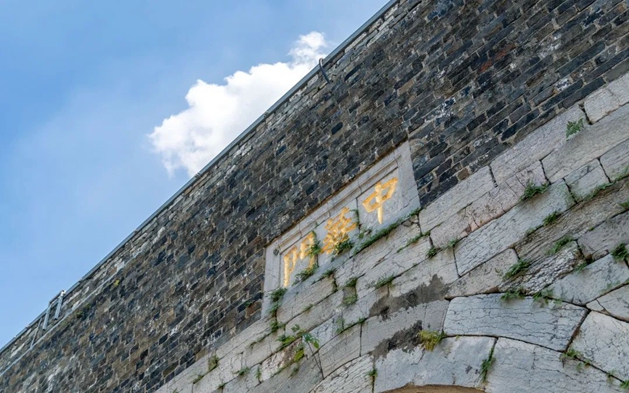
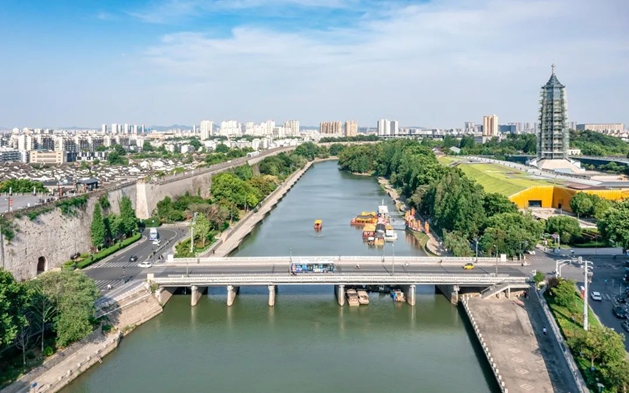
As the sun sets, the city wall takes on an entirely new allure. At Zhonghua Gate, don’t miss the mesmerizing light and shadow show Heart Seal: Zhonghua Gate. After the performance, climb to the top of the wall to soak in breathtaking vistas:
The poetic currents of the Qinhuai River,
The radiant glow of the Grand Bao’en Temple,
The vibrant lanterns of Laomendong Historic District.
Modern light installations along the wall transform this ancient military fortress into a fully immersive cultural experience—blending the past and present in spectacular style.
Discover Taicheng: The Best-Preserved Section
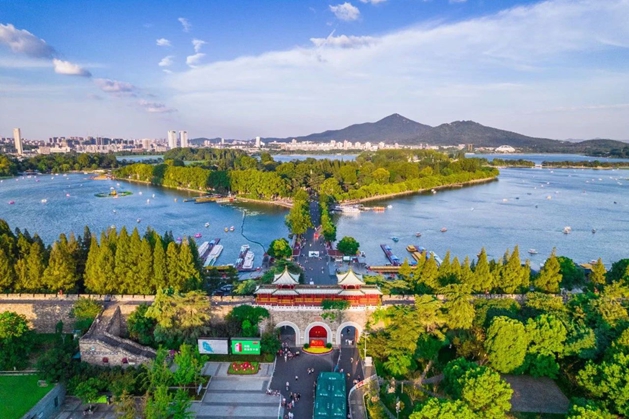
Start your climb at Jiefang Gate, and you’ll reach Taicheng—the best-preserved segment of the Ming City Wall. Here, you’ll find yourself surrounded by iconic natural and cultural landmarks: Xuanwu Lake, Purple Mountain (Zijin Shan), and Jiming Temple. Together, they embody Nanjing’s unique character as a city where nature, history, and modern life converge seamlessly.
A Monument of Unrivaled Scale and Craftsmanship
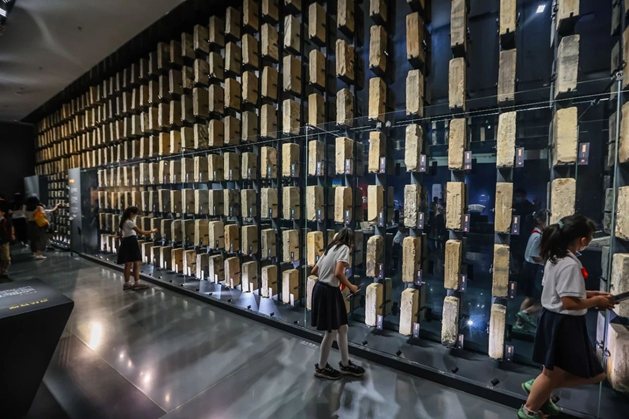
Crafted from brick and stone, Nanjing’s City Wall stands as an awe-inspiring feat of engineering. It is estimated that over 350 million bricks were used in its construction, with materials sourced from provinces along the middle and lower reaches of the Yangtze River—including Jiangsu, Jiangxi, Anhui, Hunan, and Hubei.
At the Nanjing City Wall Museum, situated near Zhonghua Gate, you’ll discover far more than historical artifacts. This museum serves as a bridge between the past and present—a space where visitors from around the world can explore, share, and connect with the wall’s enduring legacy.